
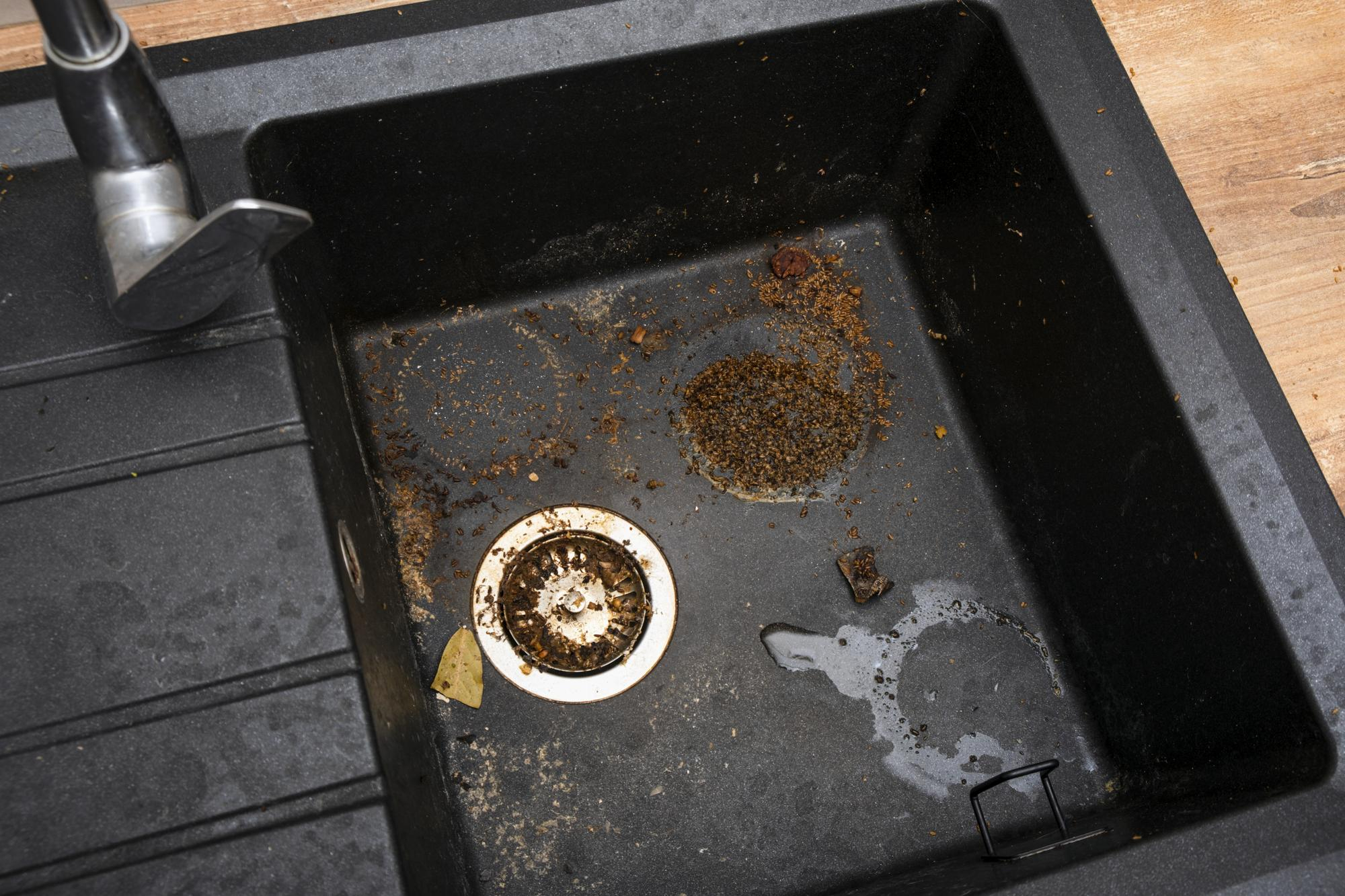
Kitchen drains are often exposed to grease buildup, which can cause significant plumbing issues if left untreated. In a city like Jacksonville, where the heat can worsen this issue, it’s crucial to know how to effectively treat grease buildup and avoid costly repairs. Here’s a detailed guide on how to prevent and treat grease buildup in your drains to keep your plumbing in top shape.
Sommaire
ToggleWhy does grease accumulate in kitchen drains in Jacksonville?
Kitchen drains are particularly vulnerable to grease buildup. Understanding how this accumulation occurs is key to preventing it.
The main sources of grease in the kitchen
Grease, oils, butter, sauces, and food residues are the main contributors to greasy deposits in your pipes. When you pour hot oil or grease down the sink, it cools down, solidifying inside the pipes. These solidified fats attach to the pipe walls, leading to slow-moving drains over time. Food particles like meat scraps, vegetable skins, and crumbs can also contribute to grease accumulation as they combine with grease inside the pipes.
How grease solidifies in pipes
When grease enters the pipes, it solidifies and sticks to the walls, narrowing the passage and slowing water flow. Over time, this buildup forms clogs that can fully block the pipes, leading to costly repairs. Regular maintenance prevents grease from accumulating and mixing with soap or other residues, making drains more effective.
The consequences of grease buildup in drains
Allowing grease to build up in your drains can result in several problems. Here are some of the most common consequences:
Blockages in the pipes
Grease buildup is one of the primary causes of blockages in drains. These clogs restrict the water flow, leading to backups and possible overflows in your kitchen or bathroom. As the grease hardens, it forms an even stronger barrier, obstructing the normal flow of wastewater, which can lead to flooding in your home. In addition to flooding, a major blockage can put additional stress on your plumbing system, leading to cracks or leaks.
Bad odors and stagnant water
Clogged drains with stagnant water provide an ideal environment for mold and bacteria to thrive. These organisms can produce foul smells that emanate from the pipes, creating unpleasant odors in your kitchen. Stagnant water also means that food particles and grease have been sitting in your drains for too long, contributing to unhygienic conditions. As a result, not only do you experience unpleasant smells, but the water is also harboring harmful bacteria.
Premature wear and tear on pipes
As grease accumulates and hardens in the pipes, it leads to higher pressure within the system. Over time, this can weaken the pipes and cause corrosion, leading to leaks and the need for costly repairs. Grease buildup accelerates the deterioration of your pipes, reducing their lifespan. Regularly cleaning your drains can help preserve the condition of your pipes and avoid expensive plumbing repairs.
How to prevent and treat grease buildup in kitchen drains
Keeping your drains clean and clear of grease is vital for preventing long-term issues. Here are several methods to prevent grease buildup and maintain your plumbing system.
Never pour grease down the sink
This is the most straightforward and effective method of preventing grease buildup. Never pour grease, oil, or butter down your kitchen sink. Instead, allow these substances to cool and dispose of them in the trash. Once grease hardens, it becomes a major source of blockage in your pipes. Using a designated container to dispose of grease is an easy habit to adopt and will save you from future plumbing issues.
Use grates or filters in sinks
Installing grates or filters in your sinks helps prevent food particles, grease, and hair from entering your pipes. These filters catch larger debris before it can make its way into the plumbing, reducing the buildup inside your pipes. These simple additions to your kitchen plumbing system can save you from costly repairs and frequent drain cleanings.
Regularly rinse with hot water
Pouring hot water down the drain once a week helps dissolve any grease that might have accumulated. Hot water breaks down grease and keeps it from solidifying in your pipes. This simple maintenance routine helps keep your drains clear and ensures the water flows freely. If you frequently cook with grease, you may want to use this method more often to prevent buildup.
Use natural cleaning solutions
Here are a few natural cleaning solutions to help maintain your drains:
- Vinegar and baking soda: Pour vinegar down the drain, followed by baking soda. Let it sit for 30 minutes, then rinse with hot water. This combination helps dissolve grease and other organic material, leaving your pipes clean and fresh.
- Salt and vinegar: Mix salt with vinegar and pour the mixture into the drain. Follow with hot water to break down grease and clear minor blockages.
- Lemon juice: It works as a natural cleaner and deodorizer. It can break down grease, remove bad smells, and leave your drains fresh.
These natural alternatives are effective and safe for your plumbing, ensuring no harmful chemicals are used in your home.
When to call a professional for drain cleaning in Jacksonville?
While regular maintenance can help prevent grease buildup, there are certain signs that indicate it’s time to call a professional for a deeper cleaning.
Signs of a clogged drain
If you notice slow drainage, bad odors, or reduced cooling efficiency in your AC, it’s likely due to grease accumulation. A professional plumber can identify and address the blockage before it becomes a major issue. They will also have the necessary tools to clear stubborn clogs that regular cleaning methods can’t resolve.
Drain inspection and professional cleaning
If your DIY cleaning methods haven’t worked or if the clog is severe, it may be time to call in an expert. A professional plumber can use specialized tools, such as camera inspections and hydro-jetting, to remove grease buildup and clear out blockages effectively. These advanced techniques ensure a deeper, thorough cleaning that DIY methods cannot achieve.
Dealing with grease buildup in kitchen drains is crucial for maintaining a functional plumbing system. By following these tips for prevention and treatment, you can avoid costly repairs and keep your drains in good condition. Regular maintenance, using filters, and employing natural cleaning solutions will ensure that your drains stay clear, and professional help is available for more complex issues.