
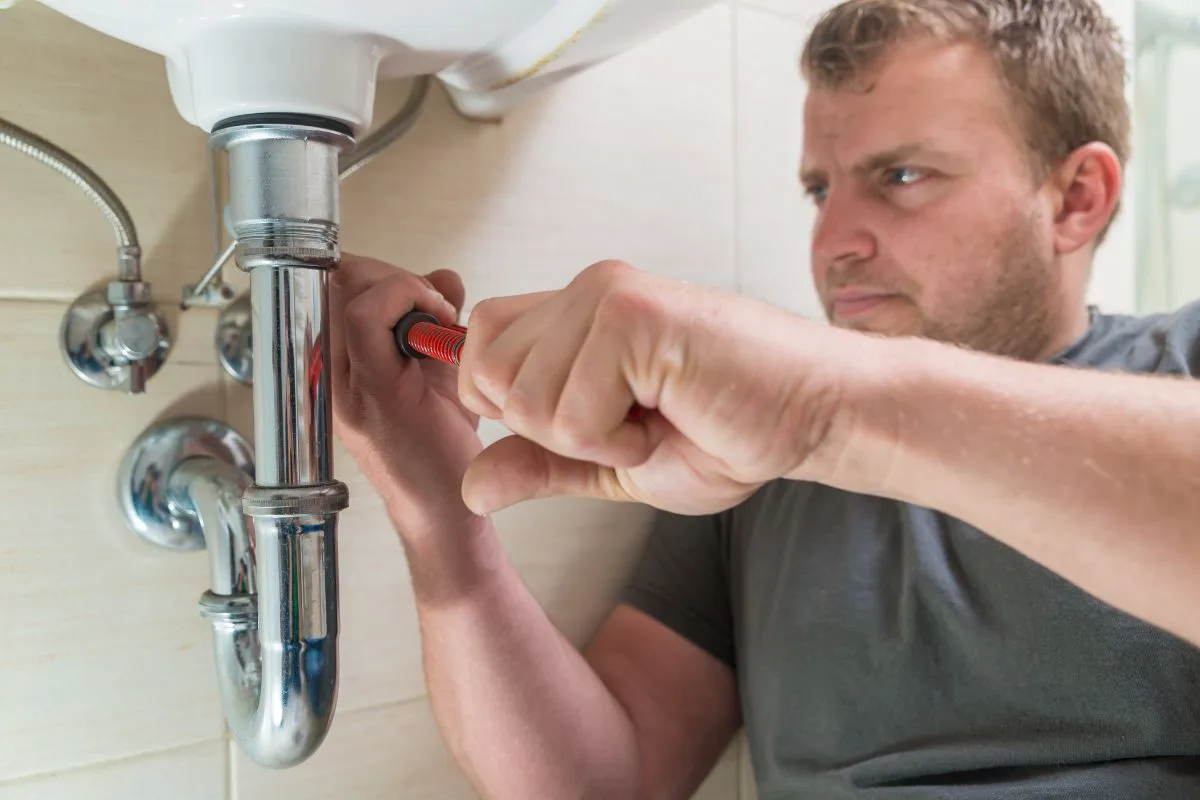
A burst pipe can catch any homeowner off guard, causing chaos and potential damage to your property. Knowing how to act swiftly can make all the difference. This guide offers quick, effective solutions for burst pipe repair, helping you protect your home. Dive in to discover essential steps every homeowner should take to minimize damage and restore order.
Sommaire
ToggleRecognizing the signs of a burst pipe
Look for unexplained water puddles, low water pressure, or strange noises in the plumbing. Walls may show damp spots or discoloration. A sudden spike in the water bill can also indicate a problem. Identifying these signs early helps prevent further property damage.
Common indicators to watch for
Spotting a burst pipe early can save you from costly repairs. Recognizing these signs helps in taking swift action.
- Unusual water pressure drops
- Water stains on walls or ceilings
- Sudden increase in water bills
Identifying these indicators promptly can prevent extensive damage. Always stay alert to changes in your home’s plumbing system.
Differences between minor and major leaks
Minor leaks often show as small water spots or slow drips. Major leaks result in significant water flow and potential flooding. Structural damage risks increase with major leaks. Identifying the leak type helps in deciding whether to attempt temporary fixes or contact a professional. Quick assessment and action reduce repair costs and prevent extensive damage to your home.
Immediate actions to take
First, shut off the main water valve immediately to stop water flow. Next, drain the system by opening all faucets. Then, locate the burst pipe source. These steps help control damage and prepare for burst pipe repair. Swift action can save your home from extensive water damage.
Turning off the water supply
Quickly shutting off the water supply is crucial when addressing a burst pipe. It helps prevent further damage to your home. Follow these steps to locate and close the main water valve.
- Locate the main water shut-off valve, often found in the basement or near the water meter.
- Turn the valve clockwise to stop the water flow.
- Verify the water has stopped by checking faucets or pipes.
Draining the water system
After turning off the main water supply, open all faucets to drain remaining water from the system. This relieves pressure and reduces further leaks. Flush toilets to clear water from tanks. Ensure both hot and cold taps run until empty. This step helps prevent additional water damage and prepares the system for burst pipe repair.
Identifying the source of the burst
- Check walls and ceilings for damp spots.
- Listen for unusual sounds like hissing.
- Inspect under sinks and appliances.
- Follow the water trail to its source.
Locating the burst pipe quickly prevents further damage. Identifying signs like damp spots or unusual sounds helps. Follow the water trail to find the exact source. This approach ensures faster burst pipe repair and limits property damage.
Minimizing water damage
Quickly remove any standing water using a wet-dry vacuum or mop to prevent structural damage. Protect your belongings by relocating them to a dry area or elevating them off the floor. Ensure proper ventilation by opening windows or using fans to dry the affected area and hinder mold growth.
Removing standing water
Use a wet-dry vacuum to remove standing water quickly. If unavailable, towels and buckets work effectively. Dispose of collected water away from your home’s foundation to prevent further damage. Consider using a mop for smaller puddles. Ensure you dry the area thoroughly to avoid mold growth.
Protecting your belongings
Quickly move valuable items like electronics and important documents to a dry area. Use plastic bins to safeguard belongings from water exposure. Elevate furniture on blocks or use aluminum foil under legs to prevent water absorption. Consider using waterproof covers for larger items. Check for dampness in carpets and rugs and remove them if possible. Protect walls and floors by placing towels or rags at the base to absorb excess moisture.
Ventilating the affected area
Ensuring proper ventilation after a pipe burst prevents mold growth and moisture issues. Follow these steps:
- Open all windows and doors near the affected area.
- Use fans to increase air circulation.
- Place dehumidifiers to extract excess moisture.
- Check for any wet insulation and remove it.
- Ensure HVAC systems are functioning to aid airflow.
- Monitor humidity levels, keeping them below 50%.
Taking these actions helps protect your home from further damage.
Repairing the burst pipe
First, apply a temporary fix like using a pipe clamp or rubber patch to stop the leak. This provides a short-term solution until a professional can assess the damage. Next, monitor the pipe for further leaks or changes. If unsure, contact a plumber for a thorough burst pipe repair to ensure proper sealing and prevent future issues.
Temporary fixes for emergencies
Use pipe clamps or rubber patches for quick emergency plumbing repairs. These methods provide temporary relief until a professional plumber arrives. Keep a plumbing repair kit on hand for unforeseen issues.
When to call a professional plumber
If temporary fixes fail or the damage seems extensive, contact a professional plumber. Major leaks often require expert intervention to avoid further complications. Persistent water pressure issues or visible pipe damage indicate the need for skilled repair. Professionals assess and address hidden problems within the plumbing system. Ignoring significant leaks can lead to structural damage and costly repairs. Prioritize calling experts to ensure effective and lasting solutions.
Preventing future pipe bursts
Insulating pipes effectively and conducting regular inspections help in avoiding future bursts. These steps ensure pipes remain intact during temperature changes. Additionally, avoiding pipe blockages by keeping drains clear reduces pressure buildup. Consider professional assessments to maintain optimal plumbing conditions.
Insulating pipes effectively
Properly insulating pipes helps prevent freezing and bursting. Use foam pipe insulation to cover exposed areas. Secure the insulation with tape or zip ties. Check for gaps and seal them. Focus on pipes in unheated spaces like basements and attics. Consider adding heat tape for extra protection in extreme cold. Regularly inspect the insulation for wear. Effective insulation maintains water flow and minimizes burst pipe repair costs.
Regular maintenance and inspections
Regular maintenance and inspections play a crucial role in preventing pipe bursts. Conducting routine checks helps identify potential issues before they escalate. Consider these key practices:
- Inspect pipes for signs of wear or damage.
- Check water pressure regularly to prevent stress on pipes.
- Examine fittings and joints for leaks.
Understanding the advantages of periodic upkeep ensures your home’s plumbing remains in optimal condition. Additionally, recognizing the significance of drain evaluations can avert costly repairs.
Common Questions
What should I do first if I suspect a burst pipe?
Immediately shut off the main water supply. This action prevents further water damage and flooding.
How can I tell if the leak is major or minor?
Check the water pressure and visible damage. Major leaks often result in significant pressure loss and pooling water.
Can I use household items for a temporary pipe fix?
Yes, use duct tape or a pipe clamp as a temporary solution. These items can help contain the leak until professional help arrives.
What are some signs of water damage to watch for?
Look for water stains, dampness, or mold growth. These indicate hidden leaks or past water damage in your home.
How can I prevent future pipe bursts effectively?
Insulate pipes and perform regular inspections. These measures reduce the risk of freezing and unexpected bursts.